
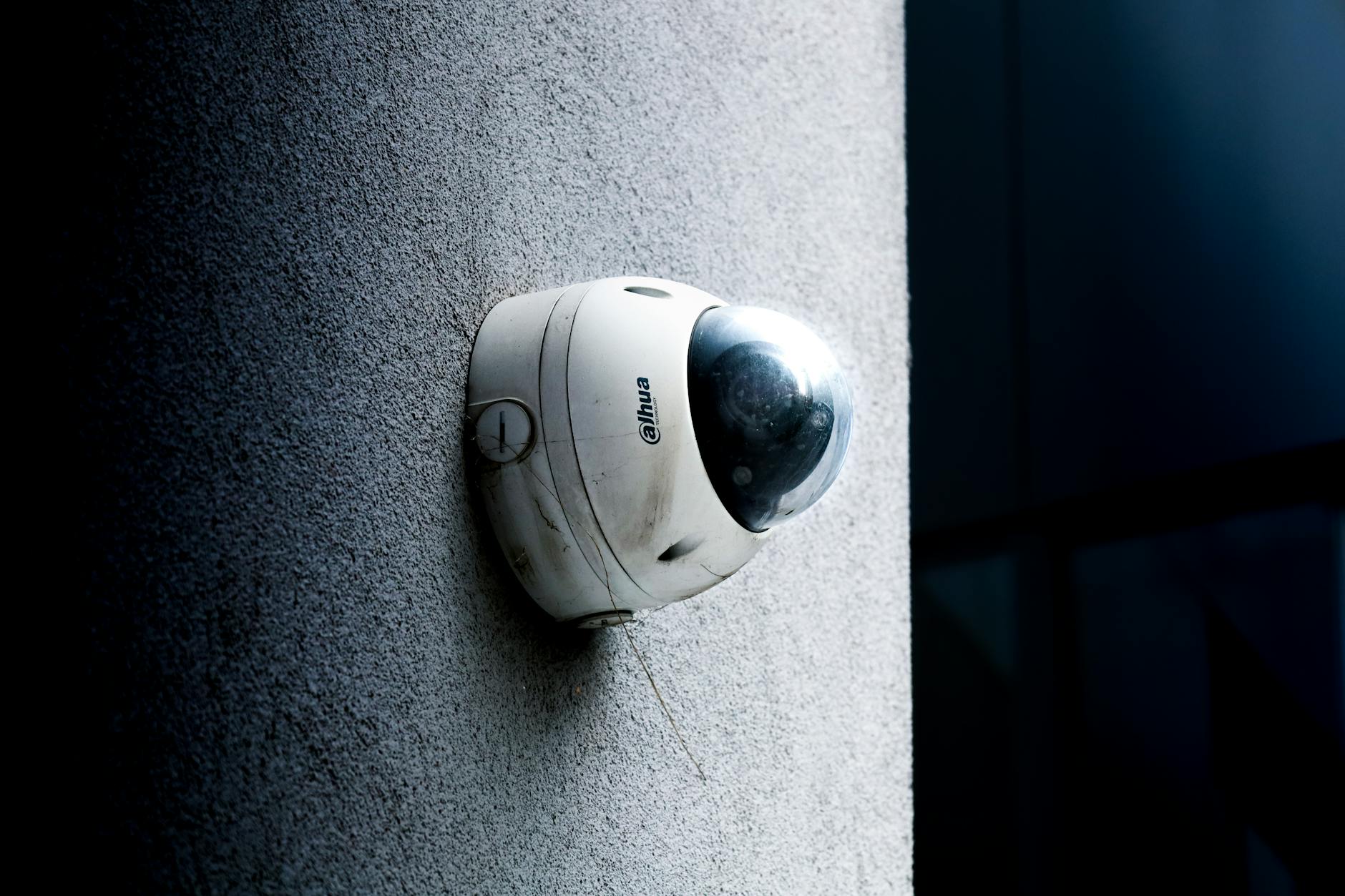
Americans are smashing flock cameras over ice data access
Flock surveillance cameras have been destroyed in at least 12 states since May 2026, following reports that ICE accessed their license plate data — sparking a rare physical backlash against government surveillance tech.
At least 47 Flock license plate cameras have been vandalized or destroyed across 12 states since early May 2026, according to State of Surveillance, a nonprofit tracking public monitoring systems [State of Surveillance]. The attacks follow confirmation that Immigration and Customs Enforcement (ICE) accessed data from Flock’s network — a move critics say weaponizes local surveillance infrastructure for federal immigration enforcement.
Flock Safety, a private company, partners with municipal police departments to deploy AI-powered cameras that log license plates and store them in a searchable database. Over 2,000 U.S. cities use the system. While marketed as a tool for solving property crime, the data is shared with federal agencies through formal requests — including more than 1,200 made by ICE since 2023 [State of Surveillance].
The backlash is no longer rhetorical. In Portland, Oregon, activists used angle grinders to cut down a Flock pole in late April. In Austin, Texas, a camera was doused in paint thinner and set ablaze. Similar incidents have been reported in Denver, Atlanta, and outside a police substation in Oakland, California.
This is not random vandalism — it’s targeted resistance. The timing and messaging at several sites, including spray-painted slogans like "No ICE, No Flock," confirm the actions are politically motivated. Some local officials are sympathetic: a city councilmember in Durham, North Carolina, called the destruction "a predictable outcome of unaccountable surveillance partnerships."
Flock has pushed back, calling the damage "criminal" and emphasizing that data sharing follows legal protocols. But the company’s contracts often lack public oversight, and few departments require warrants for federal data access.
The scale suggests this won’t be contained. When surveillance systems become visible symbols of overreach, they become targets. Flock’s hardware is now on the front line of a broader fight over who controls urban data — and for what purpose.

Apple’s ATT framework exempted its own apps from consent prompts, study finds

Amazon adds arbitration clause and class‑action waiver to its Terms of Service

Startup founders urge Trump not to block Chinese open‑weight AI
Subscribe to the broadcast.
Daily digest of the day's most important tech news. No fluff. Engineering signal only.
// delivered via substack · double-opt-in confirmation